Pyaara Raakshas: 10 Facts You Must Know Before Adopting a Saint Bernard in India 🇮🇳
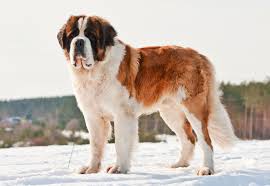
The Saint Bernard is the ultimate “Gentle Giant”—a symbol of strength, loyalty, and unmatched sweetness. Originating from the icy Swiss Alps, these dogs were born heroes, bred for rescuing people lost in the snow.
While their massive size and gentle nature make them appealing family pets, bringing a Saint Bernard into an Indian home requires a major reality check and commitment. Their needs are completely opposite to our climate and lifestyle.
Here are 10 non-negotiable facts you need to know before you welcome this amazing breed into your parivaar (family):
Part 1: Climate & Space Challenges 🥵
1. The Climate Crisis (Heat is the Enemy)
Saint Bernards have a thick, dense double coat built for heavy snow. The Indian heat and humidity are a major struggle for them.
Your Solution: You absolutely must have air conditioning (AC) and be willing to keep your dog primarily in an AC environment during the summer months. They need fans, cooling mats, and only morning/evening walks to prevent deadly heatstroke.
2. Massive Size Needs Massive Space
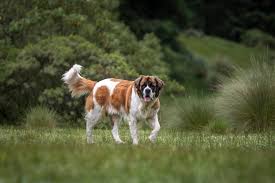
These dogs are huge! A full-grown male can weigh up to 180 pounds (over 80 kg) and stand nearly three feet tall.
Your Solution: Forget small apartments. They need a large house with spacious indoor areas and ideally, a backyard where they can stretch out and move freely without knocking over furniture (or people!).
3. Grooming is a Full-Time Job (Plus Drool!)
That thick coat sheds heavily, all the time. Plus, their facial structure means they drool (lar tapkana) a lot.
Your Solution: Be ready for daily or thrice-weekly brushing to handle the shedding and prevent matting. You’ll also need to keep a towel handy for daily wiping around the mouth.
Part 2: Health, Diet & Training 💪
4. The Giant Dog Diet
To fuel a dog this big, the food bill will be very high. They need a high-quality, protein-rich diet—around 4 to 6 cups of specialised dry food daily.
Crucial Tip: As puppies, they grow rapidly. Consult your vet to ensure the right diet is used to prevent serious, lifelong joint problems.
5. Joint and Bloat Risks
Large breeds are prone to hip and elbow dysplasia (joint issues). They are also at high risk for bloat (gastric torsion), a life-threatening condition where the stomach twists.
Mitigation: Feed them smaller, more frequent meals (2-3 times a day) and NEVER let them exercise vigorously right before or after eating. Maintain a healthy weight to protect their joints.
6. Moderate Exercise, But Timing is Everything
Despite their size, they are not high-energy runners. They have moderate exercise needs.
The Rule: Daily walks and playtime are essential, but only during the coolest hours of the day (early morning and late evening). Never push them in the heat.
7. Training is Non-Negotiable
A gentle dog that weighs 150 pounds is still a massive force. Training is not just a preference; it’s a safety requirement.
The Key: Start basic obedience training (sitting, staying, walking nicely on a leash) from day one, using gentle, positive methods (treats and praise). You must be able to control them easily when they are full grown.
Part 3: Temperament & Commitment ❤️
8. They Are Truly Gentle Giants
Their temperament is their biggest strength. They are friendly, patient, and incredibly affectionate, making them fantastic companions for families with children.
Caution: Their sheer size means they can accidentally knock over small kids or elderly family members, so supervision is always required.
9. The Ultimate Commitment
Saint Bernards are intensely social and thrive on human company.
Commitment Check: If you are a busy individual or family that leaves the house empty for long hours, the Saint Bernard is not the dog for you. They can quickly develop severe separation anxiety.
10. Shorter Lifespan Requires Emotional Readiness
Due to their massive size, Saint Bernards have a relatively short average lifespan of 8 to 10 years.
Emotional Prep: Adopting this breed means preparing for a shorter but intensely loving journey. You must be ready to provide excellent, often demanding, care throughout their life, especially as they face potential mobility issues in their senior years.
Before you bring home this beautiful, loyal giant, make sure you can truly commit to their specialised health, climate, and space needs—it’s the only way to ensure a happy, healthy life for this Alpine breed in India.





Leave a comment