

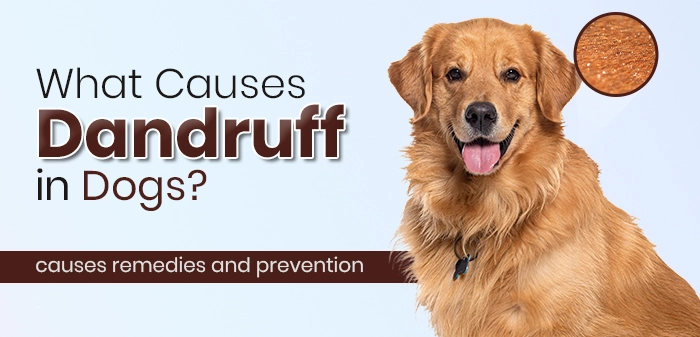
If you’ve noticed white flakes on your dog’s fur or favourite sleeping spot, you’re not alone. Many pet owners are surprised to learn that dogs can get dandruff just like humans. While it might seem like just a cosmetic issue, dog dandruff can actually indicate underlying health concerns that need attention.
In this comprehensive guide, we’ll help you understand what causes dog dandruff, how to recognise it, and most importantly, how to help your furry friend feel comfortable again.
What Exactly Is Dog Dandruff?
Dog dandruff occurs when your pet’s skin sheds dead skin cells too quickly, creating those familiar white flakes you see on their coat. Normally, skin cells shed gradually and invisibly, but when this process speeds up, it becomes noticeable as dandruff.
Think of it as your dog’s skin trying to tell you something might be off-balance. While occasional flakiness may not be concerning, persistent dandruff often indicates that your dog requires additional care.
Recognising the Different Types of Dandruff
Not all dandruff is the same. Understanding which type your dog has can help you provide the right care:
Dry Skin Dandruff:
– Appearance: Small, white, dry flakes
– Texture: Similar to human dandruff
– Common causes: Low humidity, poor nutrition, inadequate grooming
– Usually not accompanied by a strong odour
Oily Skin Dandruff:
– Appearance: Yellowish, greasy flakes that clump together
– Texture: Sticky and may mat the fur
– Common causes: Overactive oil glands, skin infections
– Often has a noticeable odour
Walking Dandruff (Mites):
– Appearance: Larger flakes that appear to move
– Actually caused by tiny mites living on the skin
– Highly contagious to other pets
– Requires immediate veterinary treatment
Common Causes of Dog Dandruff
Understanding what triggers dandruff is the first step toward effective treatment:
Environmental Factors:
– Dry air from heating or air conditioning
– Seasonal changes affecting skin moisture
– Over-bathing with harsh shampoos
– Poor grooming habits
Nutritional Issues:
– Low-quality dog food lacking essential nutrients
– Insufficient omega-3 and omega-6 fatty acids
– Food allergies or sensitivities
– Dehydration
Health Conditions:
– Skin infections (bacterial or fungal)
– Hormonal imbalances like thyroid issues
– Parasites like mites or fleas
– Underlying allergies
Effective Treatment and Prevention Strategies
Home Care Solutions:
– Regular Brushing: Daily brushing helps distribute natural oils and remove dead skin cells
– Proper Bathing: Use moisturising, dog-specific shampoos every 4-6 weeks
– Humidification: Add moisture to dry indoor air with a humidifier
– Nutrition: Upgrade to high-quality food rich in omega fatty acids
Professional Treatments:
– Medicated Shampoos: Your vet can prescribe special formulas for specific skin conditions
– Dietary Supplements: Fish oil or omega supplements can improve skin health
– Allergy Management: Identification and avoidance of triggers
– Medical Treatment: For underlying health conditions causing skin issues
When to Visit Your Veterinarian
While mild dandruff can often be managed at home, you should consult your vet if you notice:
Warning Signs:
– Excessive scratching or discomfort
– Red, inflamed skin
– Hair loss or bald patches
– Sores or scabs on the skin
– Changes in behaviour or appetite
– Dandruff that doesn’t improve with home care
Your veterinarian can perform tests to identify underlying causes and recommend targeted treatments.
Daily Care Routine for Healthy Skin
Grooming Tips:
– Choose the right brush for your dog’s coat type
– Brush in the direction of hair growth
– Be gentle around sensitive areas
– Make grooming a positive experience with treats and praise
Bathing Best Practices:
– Use lukewarm water, not hot
– Massage shampoo gently into the coat
– Rinse thoroughly to prevent residue
– Dry completely, especially in skin folds
Environmental Adjustments:
– Maintain consistent humidity levels
– Provide fresh, clean bedding
– Ensure adequate hydration
– Protect from extreme weather conditions
Frequently Asked Questions
Can I use human dandruff shampoo on my dog?
No, human dandruff shampoos are not suitable for dogs. They contain ingredients that can be too harsh for your dog’s skin and may cause irritation. Always use shampoos specifically formulated for dogs, and consult your veterinarian for recommendations.
How often should I bathe my dog if it has dandruff?
For most dogs with dandruff, bathing every 2-4 weeks with a moisturising shampoo is sufficient. Over-bathing can strip natural oils and worsen dryness, while under-bathing can allow dead skin cells to accumulate. Your veterinarian can recommend the ideal bathing schedule for your dog’s specific needs.
Are some dog breeds more prone to dandruff?
Yes, certain breeds are more susceptible to skin issues. Breeds with skin folds (such as Bulldogs), those with thick undercoats (like Huskies), and hairless breeds often require extra skin care. However, any dog can develop dandruff regardless of breed.
Can diet really affect my dog’s skin health?
Absolutely. Nutrition plays a crucial role in skin health. High-quality dog foods containing omega-3 and omega-6 fatty acids, along with proper hydration, can significantly improve your dog’s skin condition and reduce dandruff.
Remember that dealing with dog dandruff is often a process of trial and adjustment. What works for one dog might not work for another, so be patient and consistent with your approach. With proper care and attention, most cases of dog dandruff can be successfully managed, leaving your companion comfortable and happy.
Need professional guidance for your dog’s skin health? Our veterinary team is here to help. We offer comprehensive skin evaluations and personalised treatment plans to address your dog’s specific needs.
Schedule a consultation today to give your dog the relief they deserve and restore their natural, healthy glow.
Mehul: 8851172126
website: www.zuka.in

Leave a comment